
What is Thyrogen?
Thyrogen is designed to be identical to natural human thyroid-stimulating hormone (TSH).
Thyrogen, a form of recombinant human thyrotropin (rhTSH), is a protein designed to be identical to natural human thyroid-stimulating hormone (TSH). Thyrogen is produced using biotechnology. Injections of Thyrogen raise the levels of TSH in your body, which is important when preparing for radioactive iodine (RAI) ablation or in monitoring the recurrence of thyroid cancer.1
Thyrogen was first made available in 1999 as a tool to elevate TSH levels without the need for thyroid hormone withdrawal (THW) . Injections of Thyrogen raise the levels of TSH in your body, which is important when preparing for procedures like radioactive iodine (RAI) ablation or some diagnostic tests.
Thyrogen is given as an injection into the buttock for 2 consecutive days. Thyrogen injections are given by a health care provider. Please click here to download a copy of Thyrogen Administration Instructions.
Thyrogen is not approved for patients:
- Patients who have not had a thyroidectomy
- Who have thyroid cancer that has spread to other parts of the body (distant metastases).1
Thyrogen is produced using biotechnology and is designed to be identical to thyroid stimulating hormone (TSH)
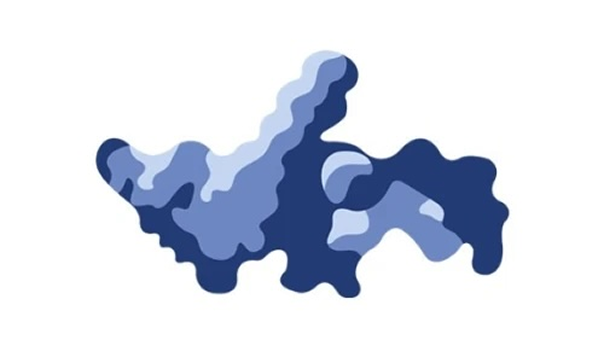
Thyroid Stimulating Hormone or TSH
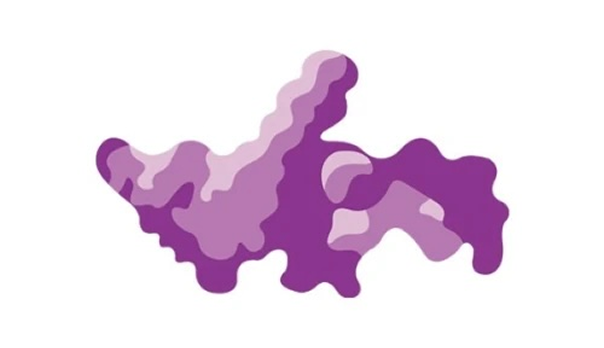
Thyrogen, a form of recombinant human TSH (rhTSH)
How Thyrogen May Help
With thyroid hormone withdrawal (THW) where you are required to stop your thyroid hormone medication for approximately 4-6 weeks and risk the effects of acute hypothyroidism.2 With Thyrogen you can remain on your thyroid hormone medication. After you’ve determined when to have your radioactive iodine (RAI) ablation and/or diagnostic testing all you need to do is schedule your Thyrogen injections with your doctor.
Thyrogen is given as an injection into the buttock for two days in a row.
Click here to download a copy of the Thyrogen Administration Instructions Guide.
If You Have Been Prescribed Thyrogen
- Schedule your Thyrogen injections and procedure (ablation and/or diagnostic testing). Click here for Thyrogen Administration Schedule
- Continue taking your thyroid hormone medication in the days leading up to your procedure (ablation and/or diagnostic testing)
The Uses of Thyrogen1
Thyrogen is clinically used for two main purposes:
1. To prepare for Radioactive Iodine Ablation (RAI)
Please see full Indication for Thyrogen including Limitations of Use
2. To prepare for Diagnostic Testing with Stimulated Thyroglobulin (Stim Tg) Testing With Or Without A Whole Body Scan (WBS)

Radioactive iodine ablation:
After removal of the entire thyroid, some patients may need another therapy to remove any leftover thyroid tissue. This procedure is called radioactive iodine (RAI) ablation. It is performed by giving patients a dose of RAI. RAI targets thyroid cells and destroys any remaining thyroid tissue or cells that may be present in the body.2 RAI is not recommended for all patients. For the RAI ablation to be effective, your TSH will need to be several times higher than normal TSH levels.
To raise the TSH levels, your doctor has 2 options:
- Prescribe Thyrogen so that you can continue with your thyroid hormone medication
- Prescribe thyroid hormone withdrawal (THW) where you stop taking your thyroid hormone medication for 4-6 weeks
Diagnostic testing:
After your initial treatment, your endocrinologist will monitor you to see if your initial treatment was effective or if your cancer has returned.
Thyrogen may be used to prepare you for a stimulated thyroglobulin (Stim Tg) test or for a whole-body scan (WBS). Sometimes, the doctor will do a Stim Tg test together with a whole-body scan.
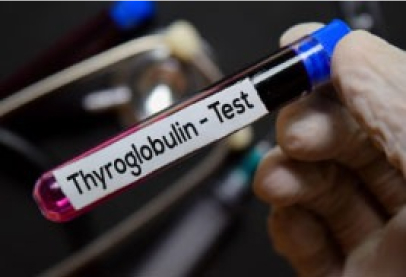
Stimulated or Non-Stimulated Thyroglobulin Blood Tests
Thyroglobulin Blood Tests: Thyroglobulin, is used as a tumor marker to predict whether your cancer is likely to return and if you need additional treatment. There are two kinds of thyroglobulin blood tests that are commonly used.
- Unstimulated Thyroglobulin (Tg) Blood Test: To measure if and/or how much thyroglobulin there is in your body, your doctor may do a blood test called a thyroglobulin test. For this test, the doctor will simply take your blood sample and send it to the lab to check thyroglobulin levels.
- Stimulated Thyroglobulin (Stim Tg) Blood Test: A Stim TG test, is a blood test where your thyroglobulin levels are checked after your TSH has been raised to target levels. A Stim Tg test is more sensitive than an unstimulated Tg test but is not always required.
To raise the TSH levels, your doctor has 2 options:
- Prescribe Thyrogen so that you can continue with your thyroid hormone medication
- Prescribe thyroid hormone withdrawal (THW) where you stop taking your thyroid hormone medication for 4-6 weeks
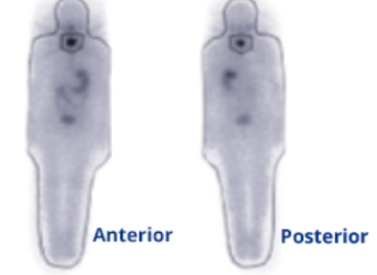
Whole Body Scan
Whole Body Scan: A whole-body scan (WBS) is used to determine if there is any residual thyroid tissue remaining after your thyroid has been surgically removed or if there are cancerous thyroid cell in any other areas of your body. To prepare for a whole-body scan, you will need to take a low dose of radioactive iodine called I-131. Your doctor will raise your TSH in order for the radioactive iodine to be absorbed by the cells and yield an effective whole body scan (WBS).
To raise TSH levels, your doctor has two options:
- Prescribe Thyrogen so that you can continue with your thyroid hormone medication
- Prescribe thyroid hormone withdrawal (THW) where you stop taking your thyroid hormone medication for 4-6 weeks
Watch Patient and Doctor Videos on the Impact of Thyrogen
Important Safety Information | Full Prescribing Information
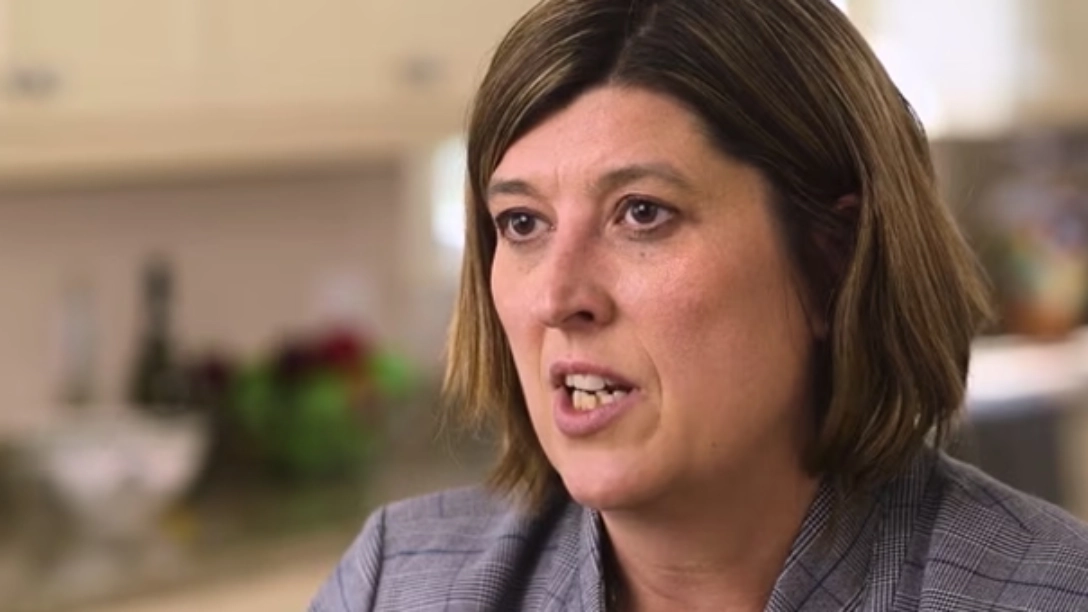
Impact of Thyrogen versus Thyroid Hormone Withdrawal (THW) – A Patient’s Story
Watch Amy, a thyroid cancer patient, explain how Thyrogen (thyrotropin alfa) helps alleviate some of the signs and symptoms of hypothyroidism caused by thyroid hormone withdrawal (THW).

Important Safety Information | Full Prescribing Information
The Benefits of Thyrogen versus Thyroid Hormone Withdrawal (THW) – A Doctor’s Perspective
Watch Dr. Stephanie Lee, MD, PhD, Associate Chief, Section of Endocrinology, Nutrition and Diabetes of Boston Medical Center, share her perspective on how Thyrogen (thyrotropin alfa) helps thyroid cancer patients in preparation for radioactive iodine (RAI) ablation treatment and monitoring for progression.
Resources

Thyrogen Patient Kit
The Patient Kit contains information and resources to help you on your thyroid cancer journey

Low-Iodine Diet
Learn why your doctor may ask you to avoid certain foods and medicines that contain iodine for a few weeks before your ablation procedure.
Doctor Discussion Guide
Use this resource to help make the most of your next appointment with your endocrinologist

References
- Thyrogen (thyrotropin alfa for injection) Prescribing Information. Genzyme Corporation. February 2023.
- MyThyroid.com. Radioactive Iodine for the Treatment of Thyroid Cancer. Accessed March 2, 2026. https://www.mythyroid.com/radioactiveiodinecancer.html
Important Safety Information and Indication
Thyrogen (thyrotropin alfa) is used to help identify thyroid disease by testing the blood for a hormone called thyroglobulin in the follow up of patients with a certain type of thyroid cancer known as well differentiated thyroid cancer. It is used with or without a radiology test using a form of iodine.
Limitations of Use:
- The effect of Thyrogen on long term thyroid cancer outcomes has not been determined.
- When Thyrogen is used to help detect thyroid cancer, there is still a chance all or parts of the cancer could be missed.
Thyrogen is also used to help patients prepare for treatment with a form of iodine, called radioiodine, to remove leftover thyroid tissue in patients who have had surgery to take out the entire thyroid gland for patients with well differentiated thyroid cancer who do not have signs of thyroid cancer which has spread to other parts of the body.
Limitations of Use:
- In a study of people being prepared for treatment with a form of iodine after thyroid surgery, results were similar between those who received Thyrogen and those who stopped taking their thyroid hormone for up to 5 years after treatment. Researchers do not know if results would be similar over a longer period of time.
Patients should not use Thyrogen with radioiodine if they have a contraindication to the use of radioiodine. Please consult with your doctor for a list of contraindications for radioiodine.
Thyrogen can cause serious side effects, including:
Thyrogen-Induced Hyperthyroidism:
- There have been reports of events that led to death in patients who have not had surgery to have their thyroid gland removed, and in patients with thyroid cancer cells that have spread to other parts of the body.
- Patients over 65 years old with large amounts of leftover thyroid tissue after surgery, or with a history of heart disease, should discuss with their physicians the risks and benefits of Thyrogen.
- Thyrogen can be administered in the hospital for patients at risk for complications from Thyrogen administration.
Stroke:
- Since Thyrogen was first approved for use, there have been reports of central nervous system problems such as stroke in young women who have a higher chance of having a stroke, and weakness on one side of the body. The relationship between THYROGEN administration and stroke is unknown. Patients should remain hydrated prior to treatment with Thyrogen.
Sudden Rapid Tumor Enlargement:
- Leftover thyroid tissue after surgery and cancer cells that have spread to other parts of the body can quickly grow and become painful after Thyrogen administration. Patients with cancer cells near their windpipe, in their central nervous system, or in their lungs may need treatment with a glucocorticoid (a medication to help prevent an increase in the size of the cancer cells before using Thyrogen.)
Risks Associated with Radioiodine Treatment:
- If THYROGEN is administered with radioiodine (RAI), the serious side effects for RAI apply to this combination regimen. Please consult with your doctor for a list of contraindications for radioiodine.
ADVERSE REACTIONS
In clinical studies, the most common side effects reported were nausea and headache.
USE IN SPECIFIC PATIENT POPULATIONS
Pregnant patients: Notify your healthcare provider immediately in the event of a pregnancy. If THYROGEN is administered with radioiodine, the combination regimen should not be used in pregnant women. Thyrogen should be given to a pregnant woman only if the doctor thinks there is a clear need for it.
Breastfeeding patients: If THYROGEN is administered with radioiodine, the combination regimen should not be used in breastfeeding women. It is not known whether Thyrogen can appear in human milk. Breastfeeding women should discuss the benefits and risks of Thyrogen with their physician.
Children: Safety and effectiveness in young patients (under the age of 18) have not been established.
Elderly: Studies do not show a difference in the safety and effectiveness of Thyrogen between adult patients less than 65 years and those over 65 years of age.
Patients with kidney disease: Thyrogen exits the body much slower in dialysis patients and can lead to longer high TSH levels.
Click here for full Prescribing Information including Serious Side Effects.
Click here for full Patient Information including Serious Side Effects.
Click here to learn more about Sanofi’s commitment to fighting counterfeit drugs.